- All
- Product Name
- Product Keyword
- Product Model
- Product Summary
- Product Description
- Multi Field Search


Choosing the right mobile crusher can make or break your project efficiency. Whether you’re handling hard rock, recycling materials, or large-scale aggregate production, the right machine ensures better output, lower costs, and smoother operations. Find the best mobile crusher for your project with this detailed guide. Learn how to evaluate material, performance, and efficiency to avoid costly mistakes and improve productivity.
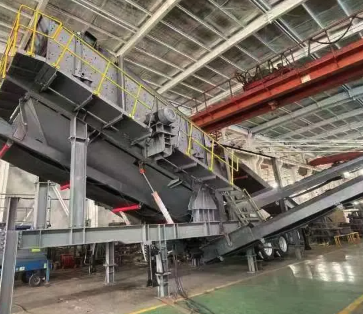
A mobile crusher is a powerful machine, but safe and efficient operation depends on the right knowledge and preparation. A complete mobile crusher operation guide covering pre-start checks, safe startup, feeding methods, and key safety tips to improve productivity and reduce risks.
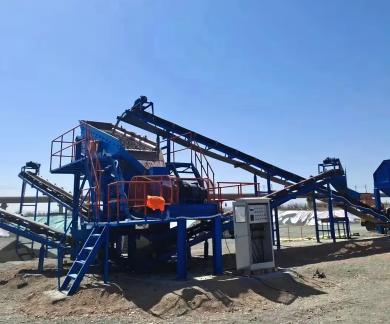
Mobile crushers are reshaping how we handle rock processing on modern job sites. A mobile crusher brings flexibility, speed, and on-site efficiency, while stationary crushers deliver power, scale, and long-term production. Explore mobile crushers vs stationary crushers with insights on mobility, capacity, cost, and use cases to help you select the right crusher for your needs.
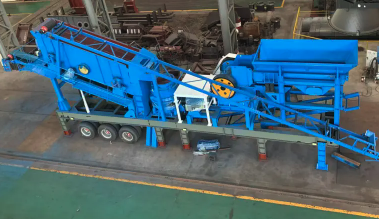
A mobile crusher is a powerful solution for on-site material processing. It combines mobility, efficiency, and flexibility in one system. Understand how a mobile crusher works, its main components, and step-by-step process. See how it boosts productivity and handles rock, concrete, and construction waste.


