- All
- Product Name
- Product Keyword
- Product Model
- Product Summary
- Product Description
- Multi Field Search


Views: 0 Author: Site Editor Publish Time: 2026-03-27 Origin: Site


A mobile crusher is a powerful machine, but safe and efficient operation depends on the right knowledge and preparation. If you want to learn how to operate a mobile crusher correctly, this guide walks you through every key step—from risk assessment and site planning to feeding methods and daily operation. We’ll break down practical mobile crusher operation techniques, highlight safety risks, and share best practices. Let’s make your crushing operations safer, smoother, and more productive from day one.
Safe operation of a mobile crusher is not just a recommendation. It is essential for protecting people, equipment, and production flow. When safety is ignored, small mistakes can quickly turn into serious problems on site.
Improper operation can lead to immediate and long-term consequences. These risks often build up quietly before they become critical.
Equipment damage due to overloading or incorrect handling
Frequent breakdowns that increase maintenance costs
Production delays that disrupt schedules and output
Serious injuries or even fatal incidents
These issues rarely occur in isolation. One failure often triggers another. For example, poor loading may overload the machine, which then leads to breakdown and downtime.
| Risk Area | Common Cause | Impact on Operation |
|---|---|---|
| Equipment | Overfeeding, misuse | Damage, costly repairs |
| Production | Poor planning | Delays, reduced efficiency |
| Workforce | Unsafe practices | Injuries or fatalities |
When operations are not controlled, productivity drops while risks increase.
Mobile crushers contain several hazards that must be controlled at all times. Some are visible, while others are hidden within the process.
Mechanical hazards from rotating and moving components
Flying debris or fragments ejected during crushing
Entanglement or crushing hazards near feed and discharge areas
Exposure to noise, dust, and continuous vibration
These hazards become more dangerous when safety measures are ignored. Missing guards or bypassed controls can expose workers to severe harm.
| Hazard Type | Typical Source | Possible Consequences |
|---|---|---|
| Mechanical | Moving parts, belts, rollers | Cuts, crushing injuries |
| Debris | Material ejection | Eye injury, impact injuries |
| Entanglement | Rotating equipment | Severe injury, fatality |
| Environment | Dust, noise, vibration | Hearing loss, respiratory issues |
Even short exposure to these risks can lead to long-term health problems. That is why constant awareness is necessary.
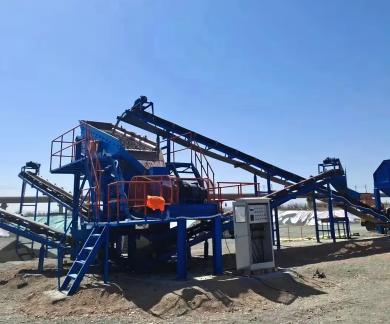
Good planning sets the tone for safe and efficient mobile crusher operation. Before the machine even starts, we need clear checks, structured planning, and a solid understanding of site conditions. It reduces risk and keeps everything under control.
Risk assessment is the first step. It helps us understand what could go wrong and how to prevent it.
Key actions include:
Identifying hazards around the crusher and site
Evaluating how likely and how serious each risk is
Implementing control measures to reduce or remove risks
Think of it as a simple process:
Spot it → Evaluate it → Control it
Risk assessment flow:
| Step | What We Do | Outcome |
|---|---|---|
| Identify hazards | Look at site, machine, materials | Clear list of risks |
| Evaluate risks | Assess severity and likelihood | Prioritized risk levels |
| Apply controls | Add safety measures | Reduced exposure to danger |
Good assessments are practical. They guide daily decisions, not just paperwork.
A method statement explains how the work will be done safely. It keeps everyone on the same page.
It should include:
Scope of work
Step-by-step operating procedure
Safety controls and emergency actions
Breakdown of a strong method statement:
Clear scope: what we will do and what we will not do
Step-by-step process: loading, crushing, and shutdown
Emergency response: what to do if something goes wrong
Simple structure example:
| Section | Purpose | Key Detail |
|---|---|---|
| Scope | Define the work | Tasks and limits |
| Procedure | Guide the operation | Step-by-step actions |
| Safety Controls | Reduce risks | PPE, guarding, isolation |
| Emergency Response | Handle incidents | Shutdown, reporting, rescue |
It keeps operations predictable. It also reduces confusion during work.
Site layout plays a big role in safe mobile crusher operation. Poor layout leads to traffic risks and inefficient material flow.
Key elements to plan:
Crusher placement in a stable, safe location
Material flow direction from feed to stockpile
Safe access routes for machines and workers
Proper stockpile positioning
Good layout checklist:
Keep clear separation between machines and people
Avoid tight or congested working areas
Ensure visibility between operators
Maintain safe distances for loading equipment
Example layout planning:
| Element | Good Practice | Why It Matters |
|---|---|---|
| Crusher position | Stable, level ground | Prevents tipping or instability |
| Material flow | Direct and smooth | Improves efficiency |
| Access routes | Clear and wide | Reduces collision risks |
| Stockpiles | Positioned safely away | Avoids interference |
A well-planned layout improves both safety and productivity.
Mobile crusher operations can affect the surrounding environment. Planning helps control these impacts early.
Main factors to consider:
Dust control measures
Noise management strategies
Ground stability and site conditions
Practical control methods:
Use water sprays or dust suppression systems
Maintain equipment to reduce noise levels
Monitor ground conditions to prevent collapse or movement
Environmental control overview:
| Factor | Control Method | Benefit |
|---|---|---|
| Dust | Water spray systems | Cleaner air, safer breathing |
| Noise | Barriers, maintenance | Protects hearing |
| Ground stability | Site inspection, preparation | Prevents accidents |
Good environmental planning protects workers and nearby communities. It also helps meet site regulations and standards. Planning ahead makes everything safer. It also keeps the operation running smoothly from the very beginning.
Operating a mobile crusher safely follows a clear sequence. Each step matters. Skip one step, and risks increase. Follow the process, and the machine performs better.
Before starting the mobile crusher, we always inspect everything first. It helps catch issues early.
Key checks include:
Inspecting all machinery for wear or damage
Checking guards, covers, and safety devices
Verifying hydraulic systems for leaks or pressure loss
Testing electrical systems and control panels
Simple pre-start checklist:
| Check Area | What to Look For | Why It Matters |
|---|---|---|
| Machinery | Cracks, wear, loose parts | Prevent breakdowns |
| Guards & safety | All guards in place | Protect operators |
| Hydraulics | Leaks, pressure stability | Avoid sudden failures |
| Electrical system | Wiring, controls, alarms | Ensure safe operation |
A quick check can prevent a major problem later. It saves time and keeps the site safe.
Starting the crusher must follow a controlled sequence. It should never be rushed.
Steps for safe startup:
Ensure the area is clear of people
Confirm all safety guards are installed
Start auxiliary systems first (if required)
Power up the crusher in the correct order
Before starting, we must also make sure:
No one stands near moving parts
No tools or objects are left inside the machine
Communication is clear between team members
Startup safety points:
| Step | Action | Risk Prevented |
|---|---|---|
| Area check | Clear all personnel | Injury from moving parts |
| Guard inspection | Verify all guards in place | Contact with machinery |
| System startup | Follow correct sequence | Electrical or mechanical faults |
A safe start builds confidence. It also reduces the chance of unexpected issues.
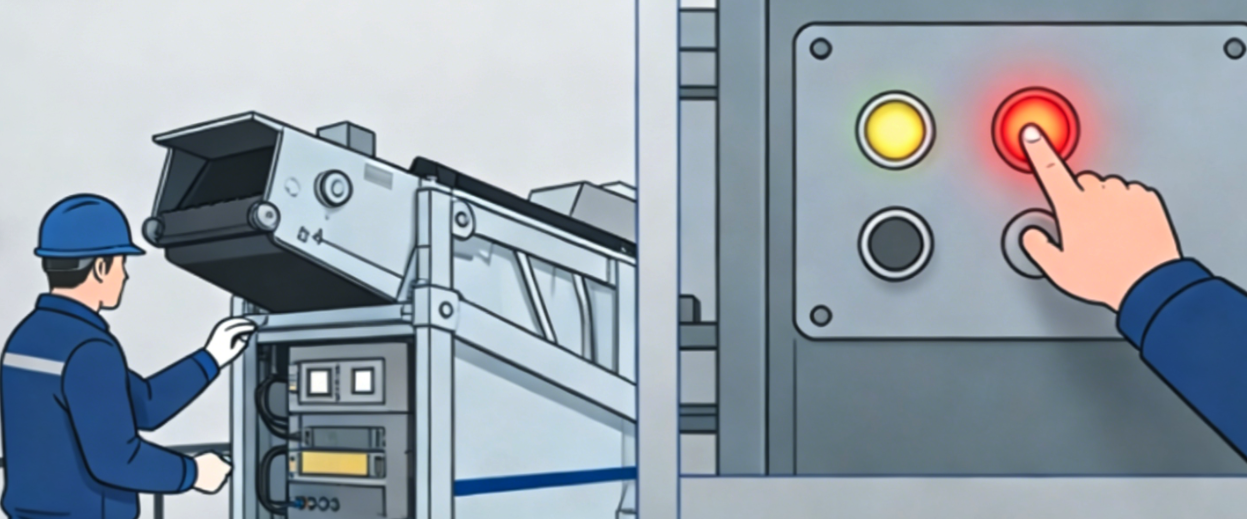
Feeding the crusher is where many mistakes happen. Control here is critical.
Important feeding practices:
Use properly sized material for the crusher type
Avoid overfeeding the machine
Maintain a steady and consistent feed rate
What we should avoid:
Large oversized rocks entering the hopper
Sudden dumping of too much material
Irregular or uneven feed flow
Feeding control guide:
| Factor | Good Practice | Result |
|---|---|---|
| Material size | Within crusher limits | Smooth crushing process |
| Feed rate | Steady and controlled | Prevents overload |
| Feed consistency | Continuous flow | Stable machine performance |
Think of it like feeding a machine in rhythm. Too fast or too big, and it struggles. Too slow, and productivity drops. When feeding is done correctly, the crusher runs smoother. It also reduces wear and keeps output consistent.
Operating a mobile crusher safely comes down to planning, awareness, and consistent control. When you manage risks, follow proper procedures, and monitor feeding, you reduce downtime and protect both people and equipment. Small improvements in daily operation can lead to major gains in safety and efficiency.
At AXSON Mining Machinery, we focus on delivering reliable, high-performance mobile crusher solutions built for real working conditions. If you’re looking to improve productivity and safety on your site, we’re here to support your next step forward.
A: Follow a full risk assessment, use trained operators, and keep all guards in place. Maintain clear communication, control feed rate, and ensure safe distances from moving parts. Always follow procedures and isolate equipment before maintenance.
A: Control feed size, avoid overloading, and remove tramp metal. Use magnets, proper training, and regular inspection. Keep the discharge area clean and maintain consistent material flow.
A: Stop the feed immediately, isolate the machine, and notify a supervisor. Use mechanical methods to clear material. Only allow manual clearing if the crusher is fully shut down and secured.
A: Common causes include mechanical faults, overfeeding, material overload, tramp metal, or buildup inside the crusher chamber.


