- All
- Product Name
- Product Keyword
- Product Model
- Product Summary
- Product Description
- Multi Field Search


Views: 0 Author: Site Editor Publish Time: 2026-03-27 Origin: Site


Mobile crushers are reshaping how we handle rock processing on modern job sites. A mobile crusher brings flexibility, speed, and on-site efficiency, while stationary crushers deliver power, scale, and long-term production. But which one fits your project best? In this guide, we break down mobile vs stationary crushers, compare their strengths, and explore real-world applications. Whether you’re managing a quarry, construction site, or recycling project, understanding these differences helps you choose smarter, save costs, and boost productivity.
Mobile crushers are portable machines designed to crush large rocks into smaller, usable aggregates directly at the job site. They eliminate the need to transport raw material to a fixed plant. Instead, they bring the crushing process to the material itself. This makes them highly efficient in projects where location changes often or time is limited.
Mobile crushers come in different forms. Each type fits specific job needs and working environments.
| Type | Key Features | Best Use |
|---|---|---|
| Tracked Mobile Crushers | Move on tracks, high mobility, stable on rough ground | Mining, remote sites, uneven terrain |
| Wheeled Mobile Crushers | Mounted on wheels, easier transport on roads | Short-term projects, multiple locations |
Mobile crushers are used across many industries. They adapt to changing conditions easily.
Construction sites
They process raw rock or surplus material on location.
Demolition projects
They crush concrete, bricks, and debris quickly.
Road building
They produce aggregates for road layers.
Recycling operations
They handle concrete, asphalt, and mixed waste.
Remote or temporary sites
They work where fixed plants are not practical.
Mobile crushers bring flexibility to projects. They move where needed. They process material on the spot. This approach keeps operations efficient and adaptable in dynamic environments.
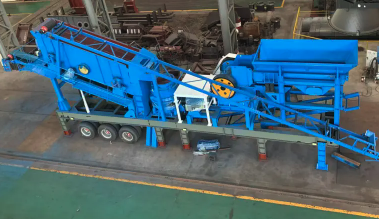
Stationary crushers are fixed crushing systems installed at a single location. They stay in place for long-term use, often inside quarries, mining sites, or large processing plants. They are built for stability and continuous production. Once installed, they become part of the site’s infrastructure, supporting high-volume operations over many years.
Different crushing technologies exist. Each type serves a specific crushing purpose and material hardness level.
| Type | Function | Common Use |
|---|---|---|
| Jaw Crushers | Primary crushing, large rocks | Quarrying, mining |
| Cone Crushers | Secondary and tertiary crushing | Fine aggregates |
| Impact Crushers | High-speed impact crushing | Recycling, softer materials |
| Hammer Crushers | Repeated impact from hammers | Coal, limestone |
| VSI Crushers | Vertical shaft impact | Sand production, shaping |
Stationary crushers support large, long-term projects. They are built for consistent output and heavy-duty use.
Large-scale quarrying
They process massive volumes of rock daily.
Mining operations
They handle ore and hard materials efficiently.
Long-term aggregate production
They supply consistent material for construction.
High-volume industrial processing
They support continuous production lines.
Stationary crushers stay in one place. They focus on power, stability, and scale. Once set up, they become the core of a production system.
Mobile crushers stand out for their ability to travel between job sites. They can follow the work, not the other way around. This makes them ideal for on-site crushing in construction, demolition, or remote mining.
Stationary crushers stay fixed in one location. All raw material must be delivered to the plant. That means more hauling, more planning, and more logistics.
Stationary crushers are built for scale. They handle large volumes and deliver consistent high output over long periods. This makes them suitable for quarrying and large mining operations. Mobile crushers focus on flexibility over brute force. Their capacity is lower, yet they perform well for small to mid-sized jobs.
| Feature | Mobile Crushers | Stationary Crushers |
|---|---|---|
| Output Capacity | Lower | Higher |
| Best Use | Small–medium projects | Large-scale operations |
| Production Type | Flexible | Continuous |
Mobile crushers are quick to deploy. They can be ready within hours or days. Minimal setup is required, and they arrive mostly pre-assembled. This makes mobile crusher units ideal for fast-paced projects where time matters. Stationary crushers need a longer setup. Foundations, site preparation, and installation can take weeks or even months. It’s a more complex process, but it supports long-term stability.
Mobile crushers often require a higher upfront investment. However, they save money in transport, setup, and logistics. Less hauling means fewer trucks, less fuel, and lower labor. This can significantly improve cost efficiency on mobile crusher projects. Stationary crushers cost more at the start due to infrastructure. Yet over time, they become more cost-efficient. Their lower operating and maintenance costs balance the initial expense, especially in large-scale operations.
Mobile units experience more wear. Movement, vibration, and exposure increase maintenance frequency. Components like hydraulic systems need regular checks. Mobile crusher systems require more frequent servicing due to their mobility. Stationary crushers are built for heavy-duty use. They stay in place and handle continuous workloads. This results in longer service life and less frequent maintenance, making them reliable for long-term production.
Mobile crushers reduce hauling. They process material directly at the source. Fewer truck trips mean lower emissions and less fuel consumption. Mobile crusher operations support greener, on-site processing. Stationary plants rely on transport. Material must move to the site, increasing environmental footprint. However, they support efficient centralized production, which can still optimize resource use over time.
Mobile crushers need less space. Their compact design fits into tight or constrained job sites. This makes mobile crusher units easy to deploy in limited areas. They are especially useful in urban or temporary projects. Stationary crushers require a large footprint. They need space for the plant, conveyors, stockpiles, and infrastructure. Proper planning is essential to accommodate everything.
Mobile crushers reduce the need for hauling. They move where the material is. That lowers fuel use and simplifies logistics. Mobile crusher setups help streamline operations by cutting down transport steps. Stationary crushers require constant material transport. Trucks and loaders must keep feeding the plant. This increases operational complexity and overall cost, especially in remote locations.
Stationary crushers offer high customization. They can be integrated into full processing systems with conveyors, screens, and multiple crushing stages. You can scale operations as needed. This makes them suitable for large and evolving industrial setups. Mobile crushers come as more standardized systems. They are pre-configured for portability. Flexibility exists, but customization is more limited compared to stationary plants.
| Factor | Mobile Crushers | Stationary Crushers |
|---|---|---|
| Mobility | High | None |
| Setup Time | Fast | Slow |
| Capacity | Moderate | High |
| Maintenance | More frequent | Less frequent |
| Cost Structure | Lower logistics cost | Lower long-term cost |
| Space Required | Small | Large |
| Customization | Limited | Extensive |
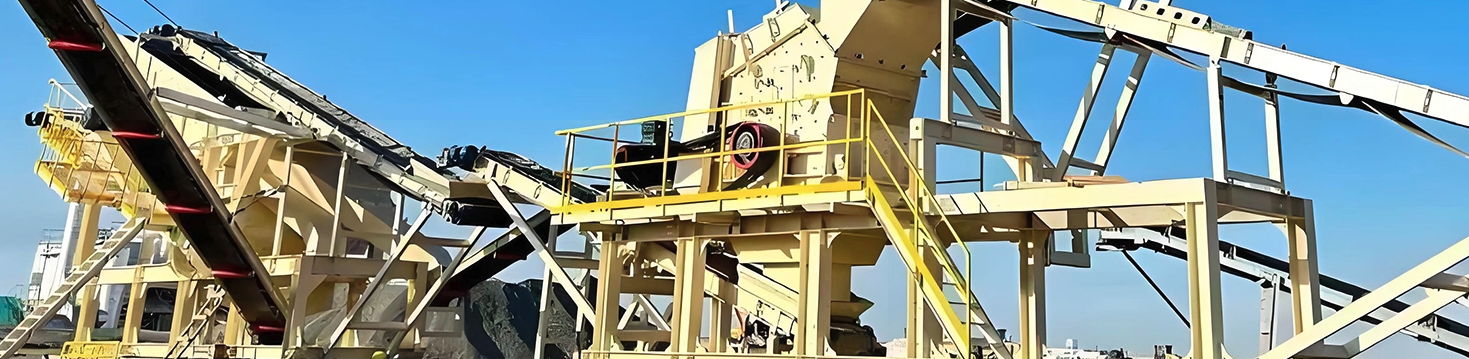
Choosing between mobile crushers and stationary crushers depends on your goals, budget, and working conditions. If you need flexibility and quick deployment, mobile options are hard to beat. If your focus is long-term, high-volume output, stationary systems may be the better fit.
At AXSON Mining Machinery, we help you find the right crushing solution for your operation. Whether mobile or stationary, our team supports you with reliable equipment and expert guidance to keep your project moving forward efficiently.
Mobile crushers can move between job sites and process material on location. Stationary crushers stay fixed and require material to be transported to them.
Mobile crushers are usually better for small or short-term projects. They offer flexibility, quick setup, and lower logistical effort.
Yes, stationary crushers typically provide higher capacity and stronger continuous output. They are designed for large-scale, long-term operations.
Yes, mobile crushers reduce the need to haul material to a fixed plant. This lowers fuel use, labor costs, and overall transportation expenses.
Mobile crushers are easier and faster to install. They can often be set up within hours or days. Stationary crushers require foundations and longer installation time.


