- All
- Product Name
- Product Keyword
- Product Model
- Product Summary
- Product Description
- Multi Field Search


Views: 99 Author: Site Editor Publish Time: 2026-01-04 Origin: Site


Concern Type | Details |
|---|---|
Performance Issues | The machine does not work well with soft or mushy rocks. Sticky rocks can block the machine. |
Downtime Causes | Parts can break, get too hot, wear out, jam, or rust. |
Maintenance Challenges | Big rocks can block the chamber. Hard ore can damage parts. Oil problems can happen. New parts can cost a lot. |
Readers will learn useful tips and see real examples. These can help make the machines last longer and work better.
Gyratory crushers are very important for first crushing in big mining jobs. They break tough rocks like iron ore and copper.
Regular care and smart monitoring tools can help stop long breaks. These steps also help gyratory crushers last longer.
Picking the best gyratory crusher means looking at material quality. You also need to check if it works with other machines. Support from the maker is important too.
Gyratory crushers can handle a lot and work fast. This makes them great for big jobs that need steady results.
Using smart care plans can make fixing cheaper. These plans also help gyratory crushers work better.
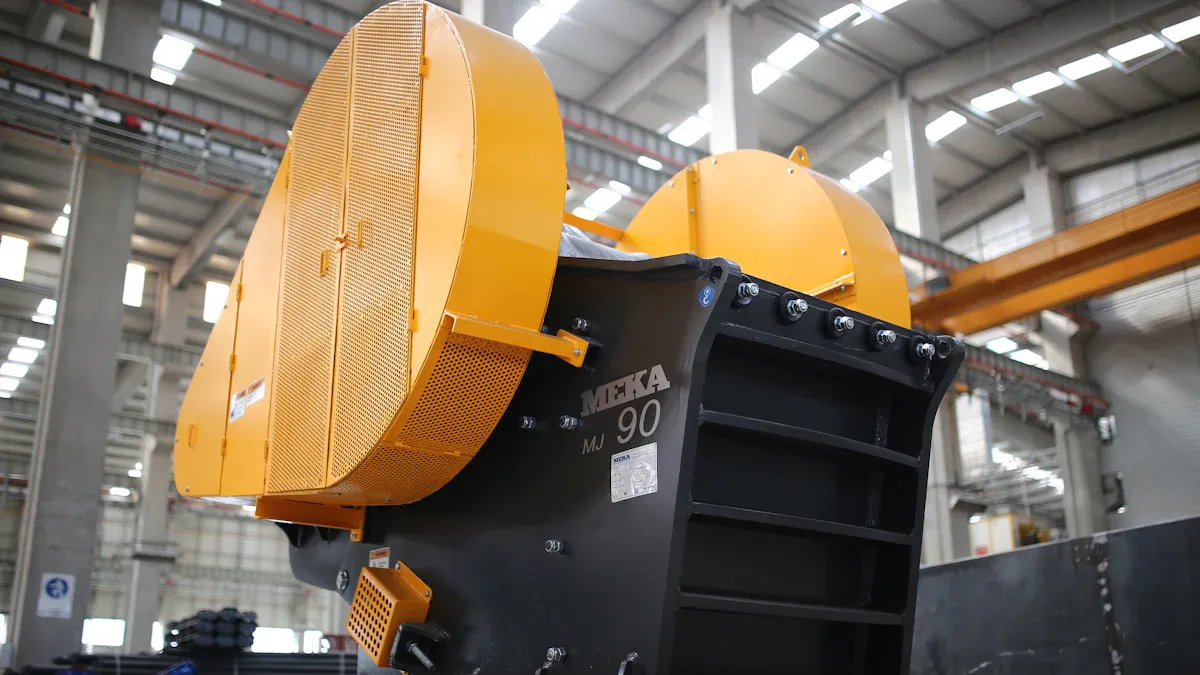
Gyratory crushers are very important in mining. They are the main machines for primary crushing. These machines break big rocks into smaller pieces. Other crushers then make the rocks even smaller. Gyratory crusher applications are good for very hard and rough ores like iron ore, copper, and gold. Big quarries and large projects use these crushers because they can crush a lot of rock all the time.
The table below shows how mining uses gyratory crushers for different jobs:
Application Type | Description |
|---|---|
Mining operations | Ideal for handling very hard, abrasive ores such as iron ore, copper, and gold |
Large quarries | Used for primary crushing of massive rock volumes before secondary crushers take over. |
High-capacity projects | When consistent throughput and continuous crushing are critical. |
Advantages | High capacity, continuous operation, uniform product size, less clogging. |
Disadvantages | High capital cost, complex maintenance, not portable, higher energy consumption. |
Some real mines show why gyratory crushers are useful. The Dahuangshan quarry uses these crushers for primary crushing. The project made the liners last longer and reduced damage. The amount of rock processed grew from 50,000 to 60,000 tons each day. This example shows how gyratory crushers help with big jobs in mining.
Gyratory crushers can crush a lot of rock every hour. Some new models can handle up to 15,000 tons per hour. This high capacity is great for mines that need to move lots of ore fast. Gyratory crusher applications include crushing hard and rough materials. These machines are strong and work well.
Gyratory crushers stay efficient in many ways:
The hydraulic system keeps the chamber safe if something hard gets inside.
The design lets the machine take in lots of rock at once.
The crushing space is big and long, which helps crush better.
Manganese wear plates can be replaced, so the machine lasts longer.
The hydraulic cylinder changes the opening, so the product size stays the same.
These features help gyratory crushers work well and last long in tough mines.
Mines often compare gyratory crushers with jaw and cone crushers. Gyratory crusher applications are special because they can crush a lot and run smoothly. They make rocks the same size and cost less to use for each ton. This makes them good for crushing hard rocks and metal ores first.
The table below shows how gyratory and jaw crushers are different:
Feature | Gyratory Crusher | Jaw Crusher |
|---|---|---|
Capacity per investment | High capacity per dollar of investment | Large receiving opening per dollar of investment |
Material handling | Better for slabby material | Better for blocky feed |
Adjustability | Less easily adjusted | More easily adjusted for wear |
Maintenance | Simpler lubrication and servicing | Easier routine maintenance and repairs |
Strength for tough materials | Less cost-effective for extra strength | More cost-effective for extra strength |
Handling soft materials | Not suitable for very soft materials | Superior for handling soft or mushy materials |
Contamination handling | Should not be used for materials with high contamination | Can handle materials with some contamination |
Gyratory crushers can crush a lot of ore and are very good for primary crushing in mines, especially for copper and iron ores. Jaw crushers are also good for crushing hard and rough rocks. Cone crushers are best for later stages of crushing. Each crusher has its own strengths, but gyratory crusher applications are the best for big jobs in large mines.
Gyratory crushers are important in big mining projects. They can crush lots of rock every hour. Workers use these machines to keep work going. The way they crush rocks helps keep output steady. This makes the mine run better.
Mining teams look at how much energy different crushers use. The table below shows how crushers compare for energy use:
Crusher Type | Energy Efficiency Description |
|---|---|
Gyratory Crusher | Uses more energy because it crushes all the time and needs bigger motors. |
Jaw Crusher | Uses less energy, good for smaller mines, and crushes well with less power. |
Gyratory crushers need more power since they use bigger motors and never stop. This helps them work well but costs more for energy. Jaw crushers use less power, so they fit small mines better. Big mines pick gyratory crushers because they crush tough rocks and keep working well, even if they use more energy.
Workers can save energy by using smart systems. These systems watch how much energy is used and help change settings to use less. Better oil systems and remote controls can make the machines work about 25% better. These changes help mines reach their goals and spend less on energy.
Gyratory crushers can handle many kinds of rocks. They work well with hard rocks like granite, basalt, iron ore, and copper ore. The table below shows which rocks work best and which do not:
Applicable Materials | Unsuitable Scenarios |
|---|---|
Hard rock with compressive strength ≤350MPa (granite, basalt, iron ore, etc.) | Sticky, wet rocks can block the machine. |
Big mine crushing of tough ores (copper ore, iron ore) | Rocks with lots of fine powder slow down crushing. |
Workers do not use gyratory crushers for sticky or wet rocks. These can block the machine and make it work worse. Mines that crush tough rocks like how strong and steady the crusher is.
New technology helps gyratory crushers work with more kinds of rocks. Mines use smart controls to change settings for each type of ore. These tools help crush more rock and stop breakdowns. Smart systems watch how the crusher works and how much energy it uses. New designs save energy and help the environment. Stronger parts make the crusher last longer and work better in hard mines.
Tip: Smart controls let workers change crusher settings fast. This keeps the crusher working well, even when the rocks change.
Gyratory crushers can run all the time in big mines. They give a steady flow of crushed rock. This helps keep production going and makes the mine work better. The design lets the crusher handle lots of rock and work well with hard rocks.
Mines use features like better oil systems and remote controls. These help the crusher work better and help workers reach their goals. Running all the time also means less time spent fixing the machine. For example, some mines cut yearly repair hours from 491 to 155 by using better liners. The liners last over twice as long, so there is less downtime and more rock crushed.
Workers see many good things from running the crusher all the time:
Steady output helps meet goals.
Better features make the crusher work about 25% better.
Less fixing means more work gets done.
Longer-lasting parts make the crusher stronger and work better.
Gyratory crushers help mines work well. They keep production steady, use less energy, and last a long time. These good points make gyratory crushers a top pick for big mining projects.
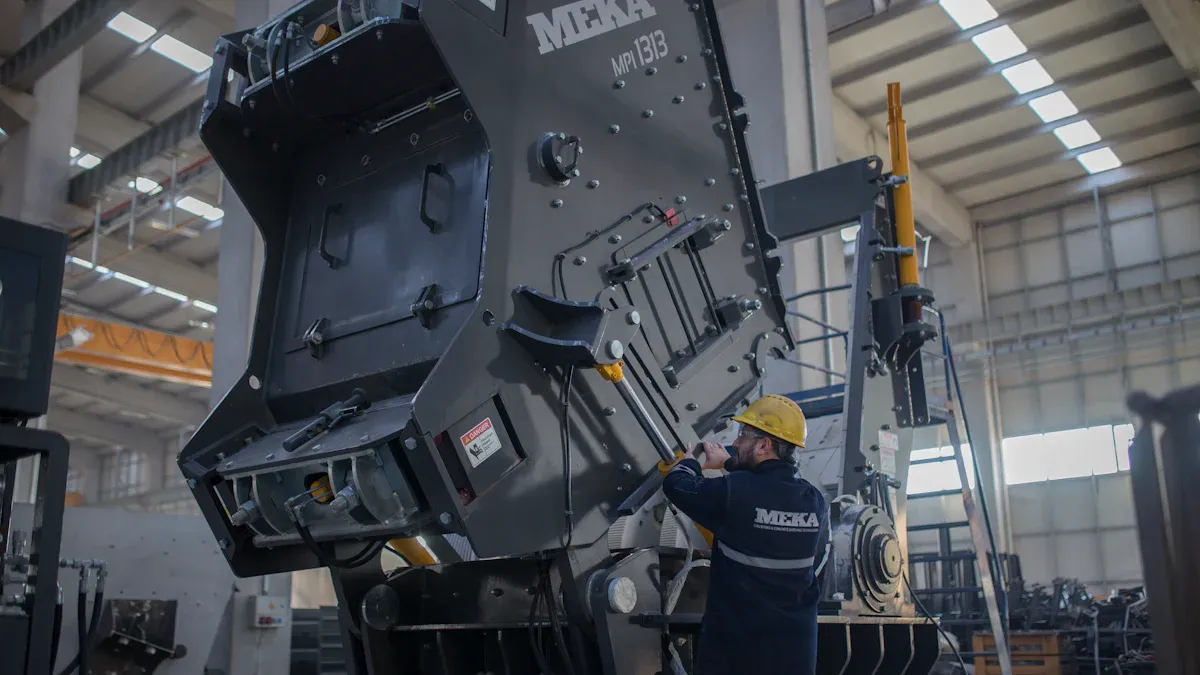
Mining sites can have bad weather, dust, and heavy rocks. Gyratory crusher reliability depends on strong parts that help it work well. The table below shows how some parts help in tough places:
Design Feature | Contribution to Reliability |
|---|---|
Makes the crusher last longer and need less fixing | |
Effective Dust Seals | Stops dirt from wearing out parts, so it lasts longer |
Ability to Handle Large Materials | Lets the crusher work well even with big rocks |
Engineers use shock-resistant cast steel for the spider, top shell, and bottom. They pick annealed forged steel for the mainshaft. Heat-treated alloy steel makes the spiral bevel gear and pinion stronger. These choices help the crusher keep working when things get hard.
Routine maintenance helps gyratory crushers keep working well. Workers follow a plan to check and fix important parts. They check spider bushing clearance every month or after 500 hours. They check and add oil every day. Every eight hours, they clean the oil system. They check balance cylinders every 30 days. Oil checks and safety checks happen every month. Workers also look at the frame for damage and rust. They check the hydraulic system for leaks. They look at wear parts like mantles and liners. They keep the area clean and watch for shaking as a warning sign.
Tip: Good checks and watching the machine help stop breakdowns and keep the crusher working longer.
Gyratory crusher maintenance happens every day, week, month, and year. Regular checks and fixes help stop big problems. Preventive maintenance is important for both gyratory and cone crushers, but each one needs its own plan.
Gyratory crusher durability depends on how good the wear parts are. Good materials make parts last longer and wear out slower. The table below shows some materials and ways to make parts last longer:
Material/Technology | Description |
|---|---|
Xtralloy® premium manganese steel | A strong and cheap alloy for crushing hard rocks |
High-chrome and alloy steel | Special concave parts last longer and work better |
High-quality copper alloy | Makes parts last up to 15,000 hours and helps them take hits |
Checking wear helps workers know when to change parts. Good maintenance means less downtime and better work. Wear parts are about 30% of maintenance costs in big mines, so taking care of them is important for long-term success.
Mining teams use different ways to make crushers work better. They check crushers often to find problems early. Workers follow a schedule for fixing and cleaning parts. Training teaches operators how to use crushers safely. Special tools show real-time data about the crusher’s health. Teams change feed size and spread rocks evenly. This can help the crusher work up to 15% better. They watch power use, wear, and output size to improve results. Predictive maintenance helps stop surprise breakdowns by up to 30%. These steps help mines reach goals and keep rocks moving.
Tip: Smart monitoring systems help workers find problems before breakdowns happen.
Good planning helps keep crushers working and production steady. Teams use smart models to know when to fix or change parts. Nukon’s prediction model lets workers plan fixes based on real equipment health. This helps parts last longer and keeps crushers running more. Studies show predictive maintenance can cut costs by 10-15% and make crushers last up to 25% longer. Workers check oil, look at liners, and clean dust seals often. They use schedules based on machine health, not just waiting for problems. These best practices help keep production high and lower repair costs.
Picking the right gyratory crusher depends on the mine’s needs. Teams look at material quality and pick strong steel for long life. The crusher’s design must match the right size and shape. It should work well with other machines in the mine. Teams check part numbers and follow maker rules to avoid mistakes. They read reviews and want good warranties from the maker. The table below shows what matters most when choosing:
Criteria | Description |
|---|---|
Good materials make crushers work better and last longer. | |
Design and Engineering Specifications | Parts must fit the crusher’s size and weight. |
Compatibility with Existing Equipment | Matching parts and rules stop problems in the mine. |
Manufacturer Reputation and Support | Good reviews and warranties help teams trust their choice. |
Project size and ore type also help teams choose. Gyratory crushers are best for hard, rough rocks and big pieces. They help mines make lots of crushed rock and let teams change output size to meet goals.
Gyratory crushers are very helpful for big mining jobs. The table below lists important benefits:
Benefit | Description |
|---|---|
Exceptional Capacity | Can crush more than 10,000 tons each hour, great for huge mines. |
Superior Efficiency | Uses less energy for each ton and makes rocks smaller better. |
Enhanced Reliability | Strong parts last many years, even when things get tough. |
Advanced Automation | Sensors watch and help take care of the crusher all the time. |
Mining teams have problems like machine stops, hard-to-reach parts, and broken drives. Big power jumps and less crushed rock can happen too. Teams can do better by using smart tools, planning fixes, and picking the best crusher. New designs and digital tools will help crushers work well and make mining better for the planet later on.
Gyratory crushers are very important in mining. They crush big rocks fast. Workers use them first to break rocks in large projects. These machines help teams handle hard materials. They also help keep production high.
Mining teams check oil and clean dust seals often. They look at liners to see if they are worn out. Teams follow a plan for fixing and checking parts. Regular checks stop the crusher from breaking down. Smart tools help teams watch the crusher and plan repairs.
Gyratory crushers work best with hard rocks like iron ore. They also crush copper ore well. They do not work well with sticky or wet rocks. Teams use them for tough jobs. They do not use them for soft or mushy rocks.
Using crushers all the time gives steady output. Teams can reach their goals more easily. Less downtime means more rocks get crushed. Special features help crushers run longer and need fewer repairs.
Teams look at what kind of ore they have. They think about how big the project is. They check if the crusher fits with other machines. Teams read reviews and look for good support from the maker. They pick crushers that help them work better and faster.


