- All
- Product Name
- Product Keyword
- Product Model
- Product Summary
- Product Description
- Multi Field Search


Views: 0 Author: Site Editor Publish Time: 2026-02-27 Origin: Site


Jaw crusher wear affects efficiency, throughput, and costs. Knowing the main causes—from worn plates and poor lubrication to misaligned parts and hard materials—helps you act early. This guide explains practical ways to fix wear, maintain components, and keep your jaw crusher running reliably.
Understanding why jaw crushers wear helps operators prevent downtime and save costs. They don’t fail overnight—it usually happens slowly, piece by piece. Here are the most common causes of wear and how they impact your machine.
Jaw plates are the main surfaces that crush rock. They take the brunt of impact and abrasion every time the crusher operates.
Effect of wear: As plates wear down, the bite becomes shallow. Rock slips instead of breaking. This leads to uneven product size and reduced throughput.
Common wear patterns:
Attrition: gradual loss of surface material.
Abrasion: scratching and scraping from hard particles.
Impact damage: chips or cracks from sudden loads.
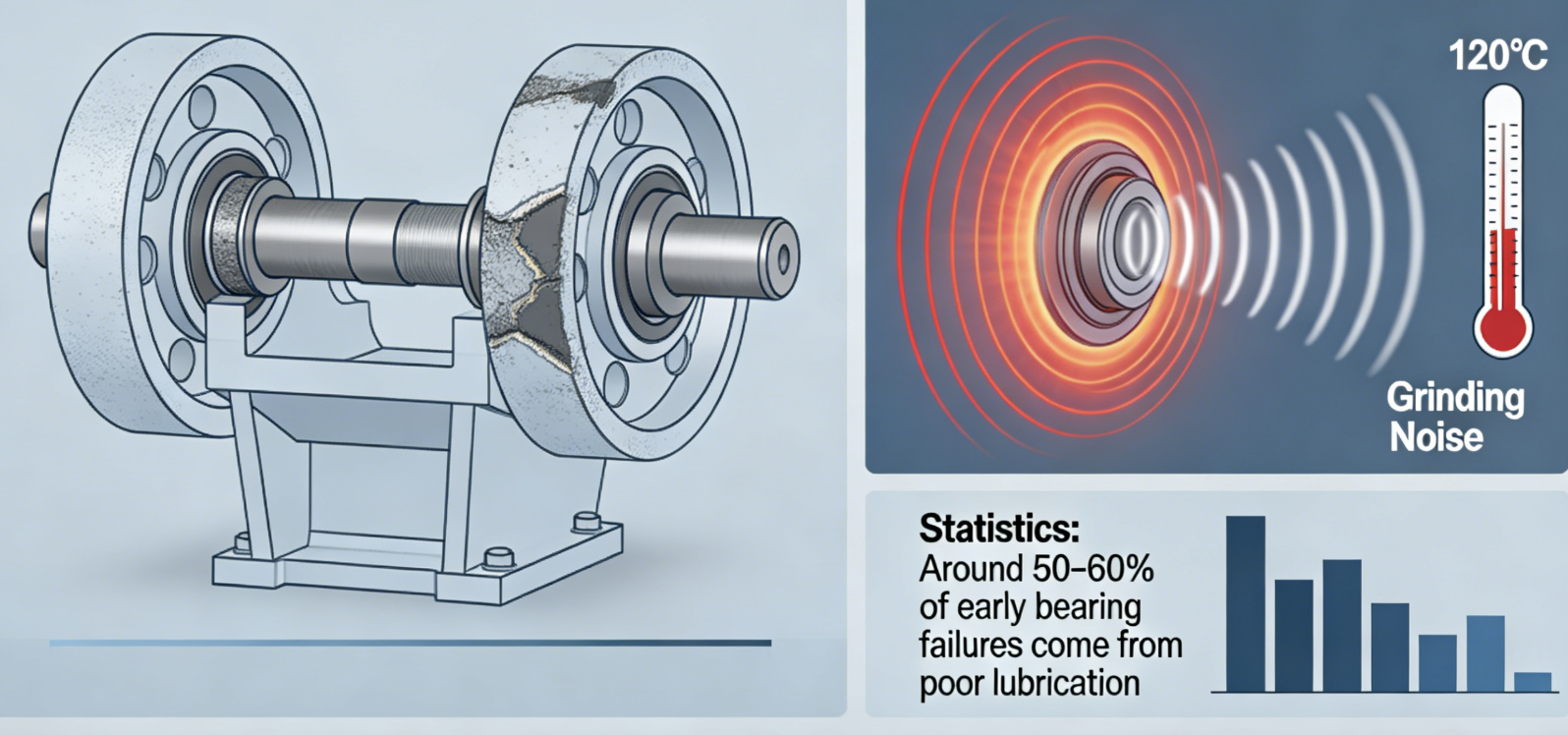
Bearings and shafts need constant lubrication to reduce friction. Without it, wear accelerates quickly.
Signs of lubrication issues: Heat, unusual noises, premature bearing failure.
Impact: Friction increases energy use and can damage other parts.
Statistics: Around 50–60% of early bearing failures come from poor lubrication.
Maintenance tip: Use the correct grease or oil type. Stick to a strict schedule. Digital checklists help operators avoid missing lubrication points.
Heavy vibration shakes bolts, toggles, and belts over time. Even small misalignments stress the crusher.
Effects: Uneven crushing motion, extra wear on jaw plates, reduced throughput.
Long-term risks: Ignored misalignment can lead to cracks, costly repairs, or catastrophic failure.
Prevention: Tighten bolts weekly. Check toggle plates and belts for proper alignment.
Sticky, moist, or fine materials can accumulate inside the crushing chamber.
Impact: Less room for new rock, uneven jaw stress, slower operation.
Wear effect: Jaw plates take extra force, surface erosion increases.
Preventive strategies:
Clean the chamber regularly.
Train operators to spot early build-up.
Use water sprays or dust suppression to reduce fines sticking.
| Problem | Effect on Crusher | Solution |
|---|---|---|
| Material build-up | Slower throughput, uneven stress | Chamber cleaning, dust/water sprays |
| Sticky fines | Extra jaw plate wear | Operator training, regular inspection |
Some rocks are extremely hard or high in silica, which naturally wears down plates faster.
Impact on wear rates: The harder the rock, the faster surfaces erode.
Feed material matters: Consistent hardness or size reduces uneven wear, while variable material accelerates damage.
Tip: Consider jaw plate material selection and feeding techniques to minimize unnecessary wear.
Preventing and fixing jaw crusher wear isn’t just about swapping parts. It’s about disciplined routines, smart monitoring, and knowing your machine inside out. Here’s how operators keep crushers running longer and more efficiently.
Consistent inspections form the first line of defense against jaw crusher wear. Performing small checks every day can prevent major downtime and costly repairs. On a daily basis, operators should lubricate bearings and shafts, inspect jaw plates for chips, cracks, or unusual wear, and remove any build-up in the crushing chamber to keep the machine running smoothly.
Weekly tasks focus on components that gradually loosen over time. Bolts and fasteners need tightening, belts and toggle plates should be checked for proper alignment, and lubrication systems must be inspected for clogs or leaks to maintain consistent performance.
Monthly routines go deeper, involving more precise measurements and monitoring. Operators should measure jaw plate wear using calipers, check bearings for signs of overheating or vibration issues, and examine the main frame and pitman for cracks or deformation. These regular inspections ensure early detection of problems, extending component life and maintaining overall crusher efficiency.
| Frequency | Task | Purpose |
|---|---|---|
| Daily | Lubricate, inspect jaw plates | Prevent friction, detect early wear |
| Weekly | Tighten bolts, check belts | Ensure alignment, reduce uneven stress |
| Monthly | Measure wear, monitor bearings | Predict replacement, prevent failures |
Jaw plates, toggle plates, and liners don’t last forever. Knowing when to rotate versus replace is key.
Rotate jaw plates to distribute wear evenly.
Replace parts if wear exceeds recommended thickness.
Keep logs of wear measurements to forecast replacements.
Use OEM or high-quality parts for longer service life and consistent performance.
Friction is a major enemy of jaw crusher components. Lubrication slows wear and keeps energy use low.
Choose grease or oil suitable for your machine’s operating conditions.
Apply the correct volume at each point; too much or too little both cause problems.
Set a regular lubrication schedule.
Use digital checklists or mobile reminders to ensure no points are missed.
Misaligned components accelerate wear quickly. Catching issues early saves tons of headaches.
Inspect toggle plates, belts, and frame alignment regularly.
Adjust tension on belts to prevent slippage or uneven force.
Use straight edges, dial indicators, or laser alignment tools for precision.
Material sticking in the crushing chamber adds stress to jaw plates. Preventing build-up extends component life.
Train operators to notice early signs of blockage.
Schedule regular chamber clean-outs.
Use water sprays, dust suppression, or vibratory tools to keep fines from sticking.
Quick checklist:
Remove debris daily
Monitor moisture levels in feed material
Apply dust suppression consistently
Predictive maintenance combines sensors, data, and inspection to stop wear before it escalates.
Vibration analysis: Detects imbalance, loose bolts, or bearing wear early.
Temperature monitoring: Spots overheating in bearings and shafts.
Oil condition tracking: Prevents damage from contamination or viscosity loss.
Data integration: Sensors feed digital logs for proactive maintenance planning.
Suggested visualization: A simple chart showing predictive tools versus wear reduction:
| Tool | Monitors | Benefit |
|---|---|---|
| Vibration sensors | Bearings, frame | Early wear detection |
| Temp monitors | Shafts, motors | Prevent overheating damage |
| Oil analysis | Lubrication system | Avoid friction-related wear |
| Digital logs | All components | Track trends, predict replacements |
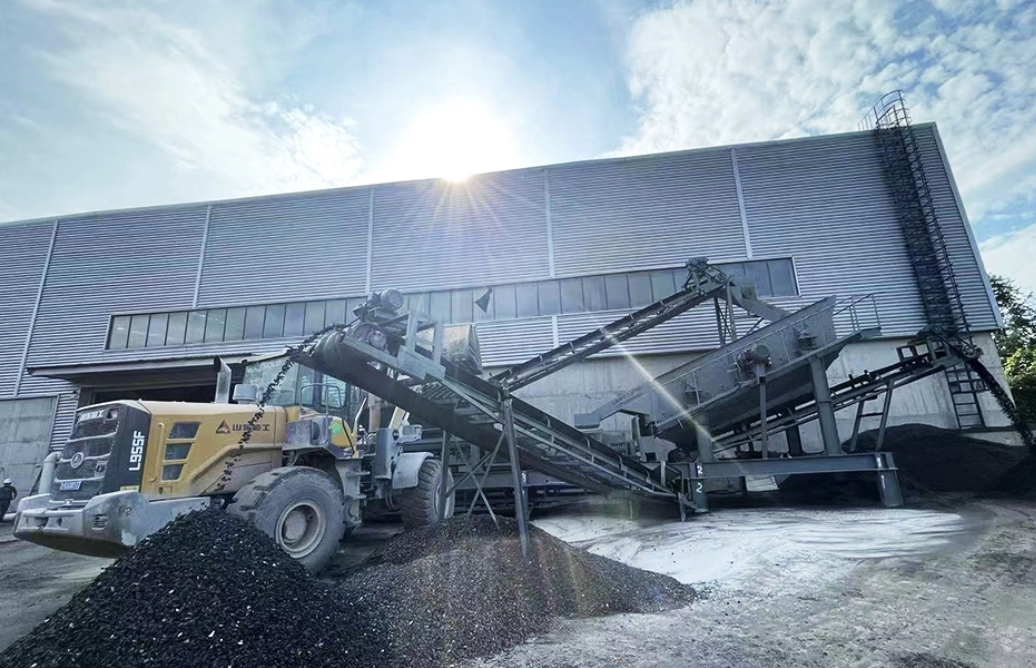
Reducing jaw crusher wear isn’t just about maintenance. Using the right materials, smart tools, and proper operator habits can significantly extend component life and improve efficiency.
Choosing the correct material for jaw plates, liners, and other wear parts makes a huge difference. Manganese steel, specialized alloy steels, or composite materials handle abrasion, impact, and fatigue far better than standard metals. They maintain sharper profiles longer, reducing slippage and uneven crushing.
Depending on feed characteristics—hard rock, high-silica ores, or mixed materials—the right material can improve lifespan by months or even years. Investing in quality wear components pays off through fewer replacements and more consistent production.
RFID tracking: Ensures inspections happen on schedule and components are logged accurately.
Mobile deviation reporting: Operators can upload photos of cracks, wear, or blockages in real time.
Dashboards and analytics: Monitor wear trends, vibration anomalies, and lubrication gaps across multiple machines.
Proactive approach: Data-driven tools help catch small issues before they turn into major downtime.
Even the toughest materials and smartest tools can’t prevent wear if operators misuse the machine. Training crews to feed material evenly, avoid overloads, and prevent shock impacts reduces unnecessary strain on jaw plates and bearings.
Teaching proper startup, shutdown, and inspection routines reinforces a culture of proactive maintenance. When operators understand how their actions affect wear rates, they become active partners in keeping crushers running longer and more efficiently.
A: No, wear is inevitable. Proper maintenance, material choice, and operator habits minimize wear but cannot eliminate it entirely.
A: Check for uneven plate thickness, inconsistent product size, unusual vibration, or localized damage on one side of the jaw.
A: Manganese steel, high-alloy steel, and composite materials perform best under heavy impact and abrasive conditions.
A: Predictive tools like vibration, temperature, and oil monitoring should be used continuously or at every shift to catch early wear signs.
Preventing jaw crusher wear starts with smart maintenance and high-quality parts. Regular checks, proper lubrication, and operator training extend machine life. AXSON provides durable components and digital tools to help you reduce downtime and boost productivity.


