- All
- Product Name
- Product Keyword
- Product Model
- Product Summary
- Product Description
- Multi Field Search


Views: 0 Author: Site Editor Publish Time: 2026-09-18 Origin: Site


Suboptimal crushing operations silently drain profitability from quarry and mining sites. Minor inefficiencies in the primary crushing stage compound rapidly, creating significant downstream bottlenecks and inflating cost-per-ton metrics. Operators frequently face excessive energy consumption, premature equipment failure, and reduced throughput. These operational failures stem directly from improper feed rates, neglected Closed Side Settings (CSS), and mismatched wear parts. Addressing these issues requires a systematic, evidence-based approach. True Jaw Crusher Optimization aligns mechanical settings, feed management, and predictive maintenance. This strategic alignment guarantees maximum operational efficiency, lowers power draw, and extends the lifespan of expensive capital equipment.
 Target Reduction Ratios: Maintaining a 6:1 to 8:1 reduction ratio is critical for optimizing the P80 factor and balancing throughput with energy expenditure.
Feed Management: Implementing choke feeding ensures uniform particle breakage, promotes stone-on-stone crushing, and maximizes chamber utilization.
Wear Part Strategy: Selecting the correct jaw die profile for specific rock hardness and adhering to strict rotation schedules drastically reduces downtime and replacement costs.
Data-Driven Maintenance: Transitioning from reactive repairs to condition monitoring via digital telematics prevents catastrophic failures and extends bearing and toggle plate lifespans.
The reduction ratio directly affects jaw crusher efficiency by determining the relationship between feed size and final product size. A proper reduction ratio, typically around 6:1 to 8:1, helps maintain stable output and ensures downstream equipment receives suitable material sizes. Exceeding the crusher’s designed reduction limit increases stress on key components such as the eccentric shaft, pitman, and bearings, leading to faster wear and potential failures. Maintaining the correct ratio improves product consistency and extends equipment service life.
Crusher efficiency depends on balancing production output (TPH) with energy consumption (kWh). Adjusting the CSS too tightly may increase power usage and wear without significantly improving usable output, while also creating excessive fines. A properly calibrated jaw crusher should maintain stable production while minimizing energy consumption per ton. Monitoring motor load and amperage helps identify inefficient operation and prevents the crusher from being overloaded with unsuitable material.
| CSS Setting (Inches) | Average TPH | Motor Load (%) | Product Quality & Downstream Impact |
|---|---|---|---|
| 3.5 (Too Tight) | 210 | 92 - 98% | High fines generation; extreme bearing stress; frequent toggle plate fatigue. |
| 4.5 (Optimal) | 340 | 75 - 82% | Excellent P80 gradation; balanced power draw; ideal feed for secondary cones. |
| 6.0 (Too Wide) | 450 | 60 - 65% | Slabby material; low primary reduction; shifts heavy crushing burden downstream. |
Choke feeding keeps the crushing chamber full, allowing the jaw crusher to achieve higher capacity, stable power consumption, and more even jaw die wear. A full chamber also improves rock-to-rock crushing, helping produce a more consistent product shape. In contrast, trickle feeding reduces efficiency, causes uneven wear, wastes energy, and lowers output. Maintaining a consistent feed rate through proper vibrating grizzly feeder adjustment is essential for stable crusher performance.
Scalping undersized material before it enters the chamber is non-negotiable. Excess fines cause severe packing between the jaw dies. When dirt, clay, and undersized rock fill the voids between larger boulders, the material mass becomes solid. As the swing jaw closes, this solid mass cannot compress. This packing creates extreme pressure spikes that the relief mechanism cannot always handle. Increased power consumption, bent toggle plates, and blown bearings follow rapidly.
Proper grizzly feeder setup prevents this bottleneck entirely. Synchronize the grizzly bar spacing with the crusher's CSS. If your CSS is set to 4 inches, the grizzly bars should be set to drop anything smaller than 4 inches. This ensures optimal bypass of already-sized material directly to the takeaway conveyor. Bypassing fines frees up valuable chamber space for actual primary crushing, instantly boosting overall TPH.
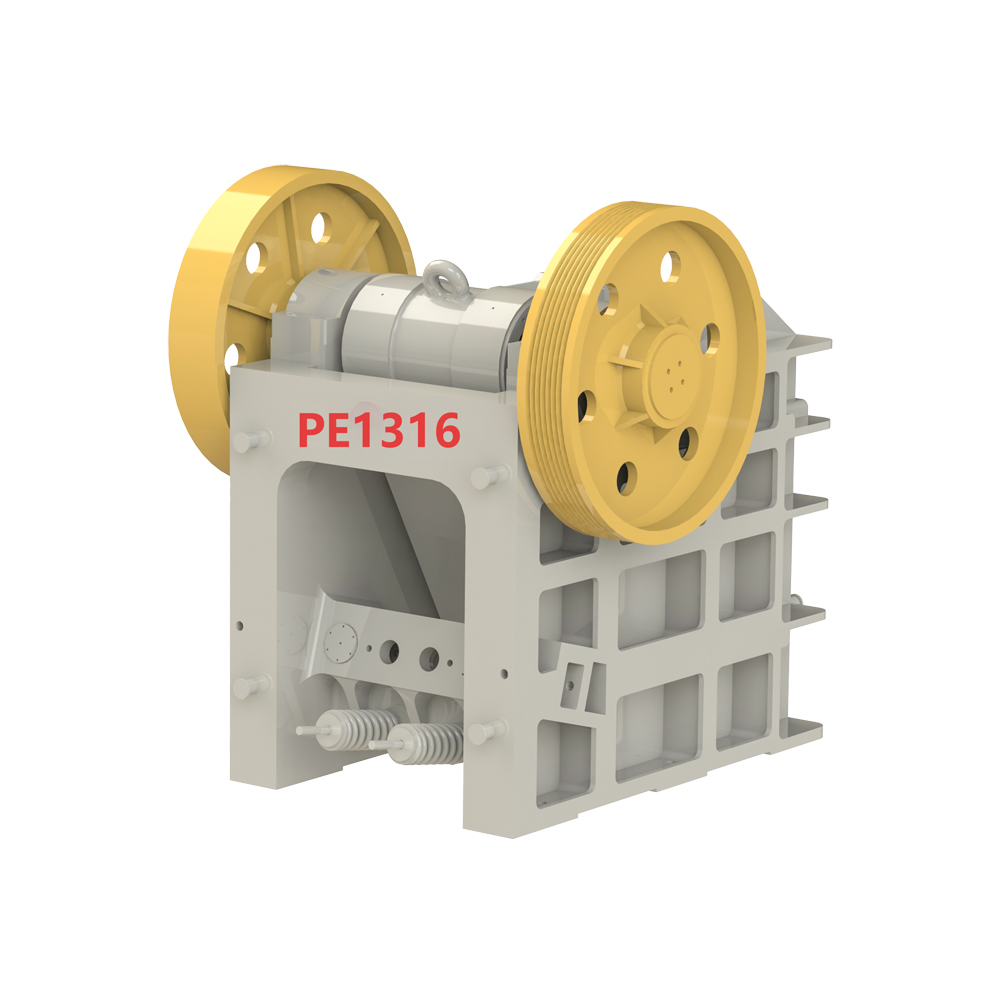
Accurately measuring and adjusting the CSS requires a strict technical process. Relying on visual estimates leads to inconsistent product sizing and erratic power consumption. Operators must measure the gap at the closest point of the crushing cycle.
Halt the vibrating feeder and allow the crushing chamber to clear completely.
Engage strict lockout/tagout (LOTO) protocols on the main power supply to ensure zero accidental startups.
Lower a lead block attached to a wire down into the crushing chamber.
Manually bar the crusher flywheel over until the pitman completes one full compression stroke, crushing the lead block.
Retrieve the lead block and measure its compressed thickness with digital calipers to determine the exact CSS.
Adjust the gap using hydraulic wedges or manual shims to reach the target setting.
The CSS directly dictates product gradation and secondary crusher efficiency. A tight CSS produces finer material but reduces throughput and increases wear. A wide CSS increases throughput but forces secondary crushers to work harder, simply moving the bottleneck further down the line.
Choosing the right jaw die profile based on the material type helps improve crushing efficiency and extend wear life. Standard corrugated dies are suitable for general quarry materials, while heavy-duty profiles are designed for hard rocks such as granite. Flat dies perform well with highly abrasive materials, and sharp tooth profiles are ideal for recycling applications. Made from manganese steel, jaw dies become harder under impact, improving durability. The correct die profile also improves material grip, reduces energy consumption, and protects the crusher chamber from excessive wear.
| Die Profile Type | Best Suited Material | Primary Advantage |
|---|---|---|
| Standard Corrugated | Limestone, Gravel, Medium Rock | Good balance of throughput and product shape. |
| Heavy-Duty Thick | Granite, Basalt, Hard Ores | Maximum impact resistance; prevents premature cracking. |
| Flat Face | Quartzite, Highly Abrasive Rock | Extends wear life in high-abrasion environments. |
| Sharp Tooth | Recycled Concrete, Asphalt | Excellent penetration; easily separates rebar from concrete. |
The eccentric shaft controls the jaw movement, crushing angle, and overall material flow inside the chamber. Maintaining the correct nip angle helps the crusher grip and process rock efficiently, while an improper angle may cause material to slip or reduce crushing performance. Crusher speed also affects production and wear. Increasing RPM does not always improve output and may cause excessive wear or mechanical stress. Any changes to factory settings should be approved by the manufacturer to avoid equipment damage.
Establish a standardized inspection routine for your site. Measure wear patterns on stationary and moving jaw dies weekly using a straight edge. Include impact bars and cone mantles if operating a multi-stage circuit. Flipping dies maximizes manganese utilization and protects the nip angle.
Flip the dies when the lower section reaches 30 percent wear. Flip them again at 60 percent wear. This operational logic prevents throwing away usable metal. Neglecting this schedule causes severe cupping at the bottom of the die. Cupping alters the nip angle, reduces chamber capacity, and destroys overall crushing efficiency by restricting the discharge flow.
Proper lubrication is essential for protecting key jaw crusher components such as bearings, toggle seats, and eccentric shafts. Using the correct grease and maintaining clean lubrication conditions prevents premature wear caused by dust and moisture contamination. Automated greasing systems can provide consistent lubrication and reduce maintenance risks. Regular inspections of lubrication points and toggle seats help ensure smooth operation and extend equipment service life.
A primary Jaw Crusher can only process what the discharge conveyor can clear. Inspect the takeaway system daily. Look for loose, worn, or misaligned conveyor belts. Missing idlers or damaged impact beds cause material rollback and devastating chamber backups. When rock backs up into the pitman, it destroys the lower bearings and tears the conveyor belt.
Calculate the takeaway conveyor capacity carefully. The belt speed and width must exceed the crusher’s peak TPH output by at least 20 percent. This buffer prevents material backup into the crushing chamber during sudden feed surges. Install heavy-duty impact beds directly under the discharge chute to absorb the kinetic energy of large rocks exiting the chamber.
Modern digital sensors monitor amp draw, vibration, and operating temperatures in real time. Automated feed control systems communicate directly with the crusher motor. They adjust the vibrating grizzly feeder speed via a Variable Frequency Drive (VFD) to maintain optimal choke feed levels dynamically. If the crusher amp draw spikes above 90 percent, the VFD automatically slows the feeder, preventing a stall.
These digital tools scale easily across multi-crusher quarry operations. Centralized SCADA systems allow operators to monitor multiple plants simultaneously. Real-time data ensures peak efficiency across the entire site, removing the guesswork from feed rate management and protecting the equipment from operator error.
Condition monitoring helps improve crusher reliability by identifying potential failures before they cause unexpected downtime. By tracking vibration, temperature, and equipment performance data, operators can detect issues such as bearing wear and component fatigue early. Scheduled maintenance allows damaged parts to be replaced before major failures occur, reducing repair costs and keeping production running smoothly.
Optimizing primary crushing operations requires continuous alignment of feed control, mechanical calibration, and proactive maintenance. Relying on factory settings and reactive repairs guarantees lost tonnage and inflated operating costs. Evaluate your current setup rigorously. If the main frame shows structural micro-fractures or the production demands exceed the engineered capacity, capital replacement makes sense. Otherwise, focus on refining your existing equipment to extract maximum value.
Schedule a comprehensive site audit to evaluate current feed gradation, VGF settings, and chamber fill rates.
Consult with wear part specialists to analyze your discarded dies and match future profiles to your specific rock hardness.
Integrate automated monitoring sensors and VFDs to establish baseline efficiency metrics for amp draw and vibration.
Implement a strict die flipping schedule at the 30 percent and 60 percent wear marks to maximize manganese lifespan.
A: Target a 6:1 to 8:1 reduction ratio. This specific range perfectly balances high throughput with optimal P80 output. Pushing beyond an 8:1 ratio places extreme mechanical stress on the eccentric shaft and bearings, leading to premature failure.
A: Choke feeding means keeping the crushing chamber consistently full of material. This practice promotes stone-on-stone crushing, ensures uniform wear across the jaw dies, and maximizes tons per hour (TPH) production capacity.
A: Flipping schedules depend on wear profiling. Typically, operators flip dies when the lower section reaches 30 percent to 50 percent wear. This strategy ensures even utilization of the manganese steel and prevents severe cupping.
A: The CSS dictates the final product size. Setting it too tight restricts material flow and spikes energy use. Setting it too wide shifts the crushing burden to secondary crushers, creating downstream bottlenecks.
A: Fines cause severe chamber packing. This packing leads to extreme mechanical stress, increased power draw, and potential toggle plate failure. Scalping removes these fines before they enter the crushing zone.
A: Worn cheek plates alter the internal chamber geometry. This reduces overall crushing efficiency and exposes the main crusher frame to severe, costly lateral wear from abrasive rock.
A: Key indicators include abnormal temperature spikes, excessive vibration, unusual operational noise, and the presence of metallic particulate in the lubrication grease.


