- All
- Product Name
- Product Keyword
- Product Model
- Product Summary
- Product Description
- Multi Field Search


Views: 0 Author: Site Editor Publish Time: 2026-03-27 Origin: Site


Mobile crusher technology is changing how modern mining and construction projects operate. A mobile crusher brings flexibility, speed, and on-site processing directly to your workflow. Instead of relying on fixed plants, you can move equipment where it’s needed and keep production flowing. This approach helps reduce costs, save time, and improve efficiency across different job sites. If you’re looking to boost productivity while staying adaptable in demanding environments, mobile crusher solutions are worth exploring in detail.
Mobile crushers play a critical role in modern mining and construction. They help teams move faster, process materials sooner, and adapt to changing site conditions. It’s about flexibility. And it’s about getting more done on less effort.
Mobility is one of the biggest strengths. It changes how teams plan and execute work.
Easy transportation between different job sites
Can operate in remote or difficult terrains
Can be positioned close to excavation points
Reduced relocation time between projects
Think of it this way:
| Traditional Setup | Mobile Crusher |
|---|---|
| Fixed location | Moves with the job |
| High transport needs | Minimal hauling |
| Longer setup time | Quick deployment |
They can follow the work. No need to move material long distances. That saves time. And it reduces operational strain. In remote mining areas, this matters even more. Roads are limited. Terrain is rough. Mobile units handle it better. They keep production going where fixed plants struggle.
Processing material on-site changes everything. It speeds up operations. And it simplifies logistics.
Immediate crushing after material extraction
Reduced material handling between stages
Faster production cycles overall
Improved workflow continuity
Here’s the flow without mobile crushing:
Extraction → Transport → Crushing → Transport → Processing
Now compare it with mobile crushing:
Extraction → Crushing → Direct use
Less handling also means less wear on equipment. It reduces fuel usage too. And fewer steps means fewer delays.
Efficiency improves when systems are integrated. Mobile crushers combine multiple functions into one setup.
Streamlined crushing and screening in a single unit
Reduced downtime between processes
Continuous production capability
Higher throughput rates
| Factor | Impact |
|---|---|
| Integrated system | Less equipment needed |
| Continuous operation | More output per hour |
| Lower downtime | Less waiting, more crushing |
| High throughput | Faster project completion |
They also reduce interruptions. No need to pause for transport or setup changes. The system keeps running. That consistency matters in high-volume projects. Operators can adjust settings on the go. Material changes? No problem. The system adapts. That keeps production steady. And it keeps output high.
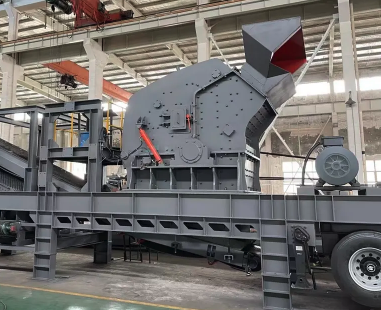
Cost matters. Every operation wants lower expenses and higher returns. Mobile crushers help achieve both. They cut unnecessary steps. And they reduce hidden costs many teams overlook.
Transport is one of the biggest expenses in mining and construction. Mobile crushers reduce it significantly.
Elimination of hauling raw materials to fixed plants
Reduced fuel consumption across operations
Lower logistics complexity overall
Think about the traditional process. Materials travel back and forth. Trucks burn fuel. Time gets lost.
Now compare:
| Traditional Method | Mobile Crushing |
|---|---|
| Long-distance hauling | On-site processing |
| High fuel use | Minimal transport |
| Complex logistics | Simple workflow |
Mobile units stay near the source. They process materials where they are extracted. Less movement. Less fuel. Fewer trucks needed. It keeps things simple. And it saves money every day.
Setting up a fixed plant can be expensive. Mobile solutions lower that barrier.
Fewer machines required overall
No need for permanent infrastructure
Lower setup and installation costs
Here’s a quick comparison:
| Cost Factor | Stationary Plant | Mobile Crusher |
|---|---|---|
| Infrastructure | Required | Not needed |
| Initial setup | High | Lower |
| Equipment count | Multiple units | Integrated system |
Mobile crushers combine functions. One unit can replace several machines. It reduces upfront investment. They don’t need foundations or long construction time. You can deploy faster. Start sooner. Spend less before production begins.
Efficiency also comes from simpler operations. Mobile systems are designed to reduce manual work.
Simplified operation for workers
Fewer operators required on-site
Automated systems reduce manual intervention
Less equipment means less coordination. Teams can focus on monitoring instead of constant handling. Maintenance is easier too. Fewer moving parts across separate machines. Centralized systems simplify checks and repairs.
| Aspect | Impact |
|---|---|
| Automation | Less manual control |
| Fewer machines | Lower maintenance demand |
| Simplified system | Faster troubleshooting |
It’s more streamlined. And it keeps labor costs under control without sacrificing output.
Projects don’t stay the same. They grow. They change. Mobile crushers adapt easily.
Easy to scale production up or down
Add or remove units based on project needs
Suitable for both small and large operations
This flexibility is powerful. Start small. Expand when needed. Adjust without rebuilding the entire system.
It supports different project sizes:
| Project Type | Mobile Crusher Advantage |
|---|---|
| Small site | Compact and efficient setup |
| Large operation | Multiple units working together |
| Changing conditions | Quick adjustment possible |
You don’t lock into a fixed system. Instead, you stay flexible. And that flexibility keeps costs aligned with real demand. Mobile crushers grow with the job. They adapt fast. And they help keep spending under control while output increases.
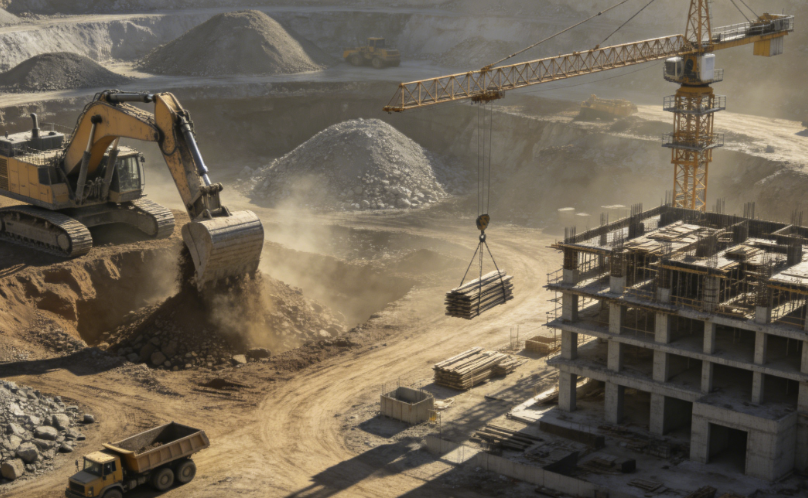
Efficiency is the main goal. Everyone wants faster output. Less waiting. More results. Mobile crushers help achieve that in a simple way. They reduce steps. They speed things up. And they keep operations moving smoothly.
Time is money. Mobile crushers help save both.
Quick setup and commissioning on-site
Minimal site preparation required before operation
Immediate production capability after arrival
Traditional systems need long setup periods. Foundations. Installation. Testing. It takes time. Mobile units work differently. They arrive. They get positioned. Then they start.
| Process Step | Traditional Plant | Mobile Crusher |
|---|---|---|
| Setup time | Long | Very short |
| Site prep | Extensive | Minimal |
| Start of production | Delayed | Immediate |
This speed matters in tight schedules. It helps projects stay on track. And sometimes, ahead.
Mobile crushers are built for continuous output. They keep material flowing. And they reduce interruptions.
Continuous operation across shifts
Reduced downtime between stages
Optimized material flow through the system
Think of the process as a straight line. Material enters one end. Finished product exits the other. No unnecessary stops.
Let’s look at how it improves productivity:
| Factor | Result |
|---|---|
| Continuous operation | Stable output |
| Less downtime | More active processing |
| Smooth flow | Consistent material handling |
They don’t just work faster. They work smarter. Systems stay active longer. Breaks are reduced. Output increases naturally. Operators don’t need to pause and reset often. It keeps everything running. And that consistency leads to higher total production.
Good systems work together. Mobile crushers are designed for that.
Seamless coordination with loaders and conveyors
Reduced material rehandling across the site
Optimized crushing circuits for better performance
Instead of separate machines working independently, they connect into one system.
Here’s how the workflow improves:
Material is loaded directly into the crusher
It moves through integrated conveyors
It exits ready for the next stage
| Workflow Element | Improvement |
|---|---|
| Equipment coordination | Smoother operation |
| Material movement | Less handling |
| System design | Fully integrated |
Less rehandling means less time wasted. It also reduces wear on materials and machines. Everything flows better. Operators get a clearer process. Machines stay aligned. And the entire system works like a single unit, not separate parts.
Mobile crushers clearly deliver stronger efficiency, lower costs, and greater flexibility for today’s projects. From faster setup to reduced transport and improved workflow, they help you stay ahead in competitive environments. The real value comes from how easily they adapt to your operation and scale with your needs. If you’re planning to upgrade your crushing setup, consider working with AXSON Mining Machinery. Their solutions are designed to support smarter operations, better output, and long-term performance you can rely on.
A: Mining, construction, quarrying, and recycling benefit most. They gain flexibility, faster processing, and lower operational costs.
A: They can significantly cut transportation, labor, and infrastructure costs. Savings depend on project size, but reductions can be substantial due to fewer logistics and machines.
A: Yes. They can scale easily. Multiple units work together to handle high-volume production efficiently.
A: With proper maintenance, they can last many years. Lifespan depends on usage, environment, and upkeep.
A: Yes. They are widely used for recycling concrete, asphalt, and demolition waste, supporting sustainable material reuse.


