- All
- Product Name
- Product Keyword
- Product Model
- Product Summary
- Product Description
- Multi Field Search


Jaw crusher is one of the most widely used machines in crushing equipment today. If you work in mining, construction, or recycling, you’ve likely seen how a jaw crusher handles large rocks, ore, and demolition waste. But how does it actually work, and why is it so important in aggregate production? In this guide, we’ll explore jaw crusher types, applications, maintenance tips, and its role in a crushing train, helping you choose the right solution for your project.
A jaw crusher is a machine designed to crush large pieces of rock, ore, or construction material into smaller, manageable sizes. It works by using a movable jaw to compress material against a fixed jaw, breaking it down by force.
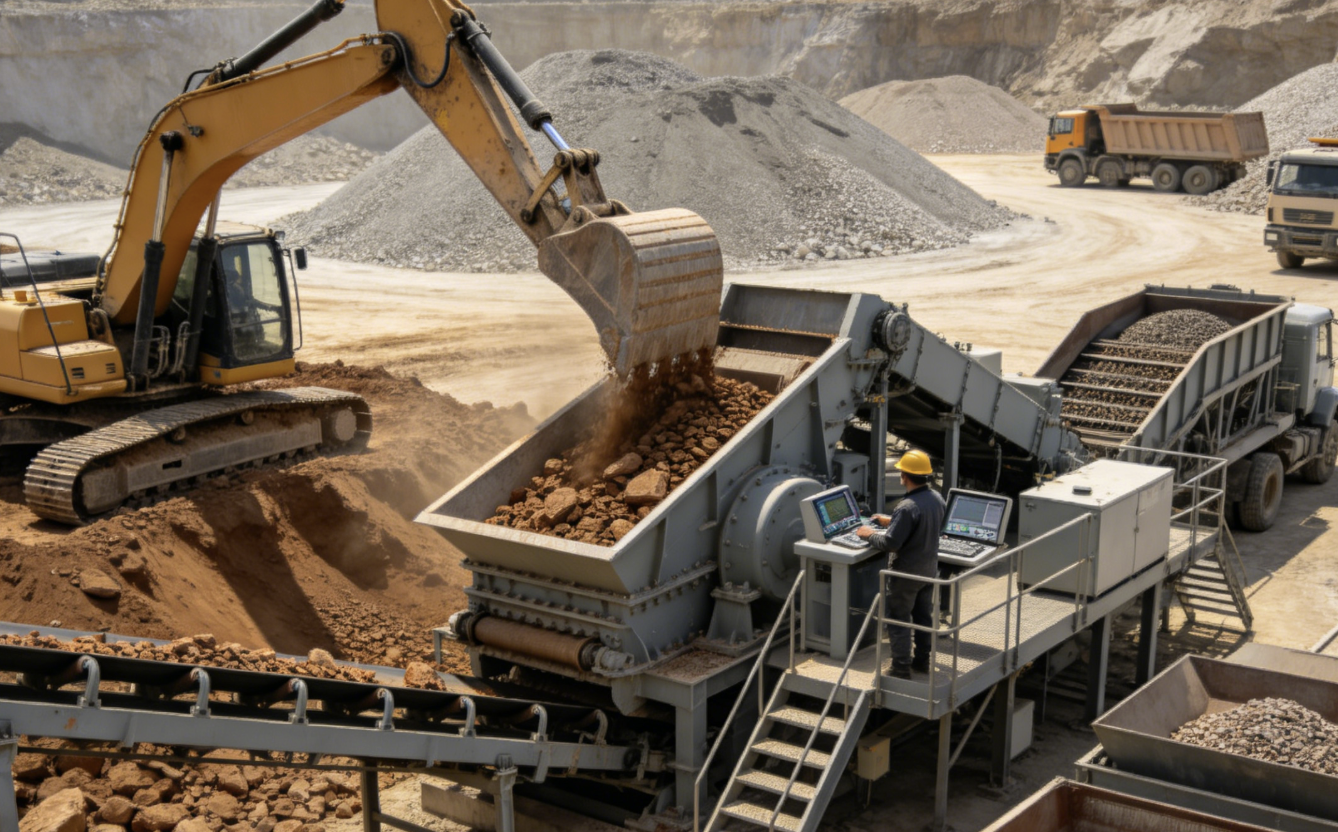
Jaw crushers are mostly used for primary crushing, taking oversized material and making it easier for secondary or tertiary crushers. They can handle hard rock, concrete, bricks, blocks, and construction debris. They’re considered highly versatile because they adapt to different materials and workloads. Whether in a quarry, a mining site, or recycling concrete, they are a reliable starting point for any crushing process.
Primary vs. Secondary Crushing
| Feature | Primary Jaw Crusher | Secondary Jaw Crusher |
|---|---|---|
| Material Feed Size | Large, unprocessed chunks | Already reduced, smaller pieces |
| Purpose | Initial size reduction | Further refinement |
| Typical Output | Coarse, uneven pieces | Finer, more uniform fragments |
| Application Examples | Mining, demolition | Aggregate production, roadwork |
Economical: They cost less to operate than most crushers.
Durable: Can handle hard, abrasive rocks for long periods.
Low Dust: They produce less dust than other crushing equipment.
Versatile Handling: Capable of crushing bulky or irregular materials.
Easy Maintenance: Wear parts are accessible and simple to replace.
Jaw crushers often produce coarser material compared to secondary crushers.
The reduction ratio is lower than in advanced technologies.
Some materials, like asphalt in warm conditions, may not crush efficiently.
They are less suitable if the goal is fine, uniform aggregate in one step.
Tip: They perform best as a first step, paired with other crushers for finer material.
Jaw crushers are commonly used for primary crushing of ores and hard rocks. They take oversized chunks and break them into smaller pieces, making it easier for secondary or tertiary crushers to refine the material.
Handles hard, abrasive ores like basalt or granite.
Reduces material size for easier handling and transport.
Prepares feed for cone crushers or impact crushers downstream.
Example Table: Material Flow in Mining
| Stage | Equipment | Output Size |
|---|---|---|
| Primary Crushing | Jaw Crusher | 150–300 mm |
| Secondary Crushing | Cone Crusher | 50–80 mm |
| Tertiary Crushing | Impact Crusher | 5–12 mm |
Jaw crushers are highly effective at crushing concrete, bricks, asphalt, and blocks from demolition sites. They can handle mixed, bulky materials and break them down into reusable pieces. When equipped with an overband magnet, they can even process rebar-contaminated concrete, removing steel fragments before further use.
The crushed material is generally coarse but uniform, making it ideal for foundations, road bases, and other building applications. This versatility allows demolition waste to be recycled efficiently, reducing landfill and providing a reliable source of aggregate for new construction projects.
Jaw crushers play a role in road building and reinforced concrete preparation. They often work as part of a crushing train, feeding material into cone or impact crushers for the right specifications.
Applications Include:
Crushing hard stone for road base.
Preparing aggregate for reinforced concrete.
Integrating into multi-stage processing lines for consistent output.
Proper feed management and screening help ensure jaw crushers operate efficiently on large infrastructure projects.
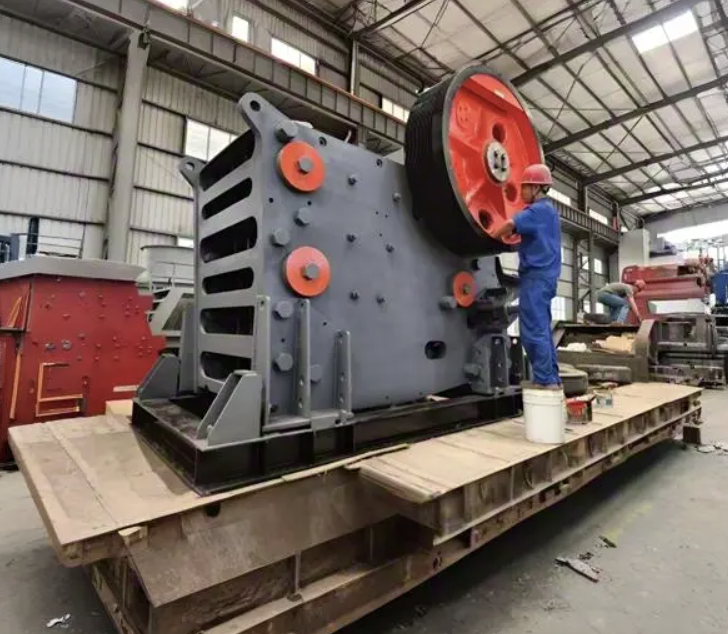
It’s important to inspect your jaw crusher frequently to keep it running smoothly. Check jaw plates, cheek plates, bolts, bearings, and lubrication. Look for uneven wear, cracks, or damage. Replace parts as needed to avoid unexpected breakdowns. Keep an eye on bearing lubrication and refill oil or grease according to the schedule. A small inspection now prevents major downtime later.
Feeding the crusher steadily helps maintain even wear on the jaw plates. Avoid sudden surges or gaps in feed. Pre-screening material to remove fines before it enters the chamber can reduce blockages and protect the crusher. Adjust the Closed Side Setting (CSS) depending on the desired product size. Varying feed size slightly helps material slide through evenly and avoids concentrated wear on certain areas.
Using rotatable or reversible jaw plates doubles wear life by exposing fresh surfaces. Choose materials carefully to minimize contamination, especially when crushing construction debris. Follow manufacturer service schedules closely—this includes lubrication, inspections, and parts replacement. Simple routines, like clearing debris around the crusher and checking oil levels, make a big difference in long-term performance.
Quick Maintenance Checklist
| Task | Frequency | Notes |
|---|---|---|
| Inspect jaw and cheek plates | Daily | Look for cracks, uneven wear |
| Check bolts and fasteners | Weekly | Tighten if needed |
| Lubricate bearings | Weekly/Monthly | Follow manufacturer guide |
| Clear debris from feed area | Daily | Prevent material buildup |
| Adjust CSS | As needed | Match target output size |
A jaw crusher often serves as the first step in a multi-stage crushing process, also called a crushing train. Its main job is to reduce large, hard materials into smaller, manageable sizes that can be processed by secondary or tertiary crushers like cone or impact crushers.
In a typical crushing train, material enters the jaw crusher directly from the quarry or mine. The jaw’s compressive action breaks it down, and the output is often screened to remove fines or oversized pieces. Oversized rocks can be recirculated for further crushing, while material within the desired size range moves on to the next stage.
Why Jaw Crushers Work Well in a Crushing Train:
Primary size reduction: Handles the biggest chunks efficiently.
Prepares material: Ensures secondary crushers operate at optimal capacity.
High throughput: Capable of feeding large amounts of material continuously.
Durability: Can withstand abrasive or hard feed materials common in mining and construction.
Example Crushing Train Flow
| Stage | Equipment | Output Size |
|---|---|---|
| Primary Crushing | Jaw Crusher | 150–300 mm |
| Secondary Crushing | Cone Crusher | 50–80 mm |
| Tertiary Crushing | Impact Crusher | 5–12 mm |
| Screening | Vibrating Screen | Sorts finished sizes |
Operational Tips for Crushing Trains:
Steady feed: Keep material flow consistent for even wear and higher efficiency.
Screen before crushing: Removing fines prevents blockages and reduces wear.
Adjust settings: CSS and stroke should match the desired product size at each stage.
Jaw crushers in a crushing train ensure smooth, continuous material flow, making them indispensable in mining, aggregate production, and large-scale construction projects.
A: It can process hard rock, granite, basalt, limestone, and ores. They also crush concrete, bricks, blocks, and demolition waste. Some models handle recycled asphalt and abrasive materials. It works best on dry, tough feed.
A: They mainly produce coarse output. It works as a primary crusher. For fine aggregates, we usually add cone or impact crushers.
A: Inspect jaw plates, bearings, bolts, and lubrication regularly. Replace worn parts early. Keep feed steady and clean. Follow the manufacturer service schedule.
A: Most units last 10 to 20 years. Proper maintenance extends life. Heavy-duty models in mining may run even longer.
Now you’ve seen how a jaw crusher supports mining, recycling, and road construction projects from the very first crushing stage. Choosing the right setup, maintaining it properly, and pairing it in a smart crushing train can greatly improve your productivity.
At AXSON, we focus on delivering reliable jaw crusher solutions designed for durability and efficiency. If you’re planning to upgrade your crushing line or start a new project, our team is ready to help you find the right fit.


