- All
- Product Name
- Product Keyword
- Product Model
- Product Summary
- Product Description
- Multi Field Search


Views: 0 Author: Site Editor Publish Time: 2026-02-27 Origin: Site


Jaw crusher selection directly impacts the efficiency and profitability of your crushing operation. Choosing the right jaw crusher means balancing feed size, capacity, material type, and energy use. Many buyers focus only on price, but performance and long-term cost matter more. In this guide, you will learn how to select the right jaw crusher step by step, so your equipment delivers stable output, lower maintenance, and better overall returns.
Selecting the right jaw crusher is not just a technical decision; it directly shapes how your entire operation performs. Many buyers focus only on the purchase price. We often forget how much influence this single machine has on output, maintenance workload, and long-term profitability. It acts as the starting point of the crushing line, and everything downstream depends on how well it performs.
Your jaw crusher controls the rhythm of the plant. If it works efficiently, the rest of the system follows smoothly. If it struggles, production slows and targets become difficult to achieve. When capacity matches your required tons per hour, material flows steadily through conveyors, screens, and secondary crushers. When it does not, problems begin to appear.
A properly selected jaw crusher helps you:
Maintain stable throughput
Reduce unexpected shutdowns
Achieve consistent output size
Prevent material accumulation at the feed hopper
Here is how different selections affect performance:
| Selection Type | Throughput Stability | Operational Result |
|---|---|---|
| Correct capacity | Consistent | Smooth plant operation |
| Undersized crusher | Unstable | Frequent overload and stoppage |
| Oversized crusher | Inefficient | Higher energy waste |
We need balance. Too small creates stress on components. Too large increases operational cost without real benefit.
Jaw plates, bearings, and toggle plates absorb enormous force during crushing. If the crusher suits the material hardness and abrasiveness, they last longer. If not, they wear out quickly and demand frequent replacement. Hard rock increases impact pressure. Abrasive material accelerates liner wear. Sticky feed creates blockages and forces extra cleaning work.
Improper selection often leads to:
Rapid jaw plate wear
Higher bearing failure rates
Increased lubrication frequency
Unplanned maintenance interruptions
Consider the difference in cost behavior:
| Cost Factor | Proper Selection | Improper Selection |
|---|---|---|
| Jaw plate lifespan | Extended service life | Frequent replacement |
| Maintenance schedule | Planned and predictable | Reactive repairs |
| Downtime frequency | Low | High |
| Spare part expenses | Controlled | Rising steadily |
They may look similar at first glance. Over time, the financial gap becomes obvious.
The jaw crusher acts as the gateway of the production line. If it cannot process material efficiently, everything behind it slows down. Feed size exceeding chamber limits leads to blockages. Insufficient motor power reduces crushing force. Incorrect discharge settings cause uneven material flow.
These problems result in:
Material backup near the feeder
Conveyor overload
Reduced screening efficiency
Idle downstream equipment
When one unit slows down, others wait. That idle time reduces plant productivity and increases operational cost per ton. We want smooth coordination across machines. Proper selection ensures steady material movement instead of constant interruptions.
The initial investment is important, but it represents only part of the overall financial picture. True cost includes energy use, wear parts, service labor, and downtime losses. Many companies choose based on price alone. Later, they discover higher electricity bills and repeated maintenance expenses.
Let’s compare short-term and long-term thinking:
| Cost Element | Short-Term Focus | Long-Term Impact |
|---|---|---|
| Purchase price | Main concern | Minor factor over years |
| Energy efficiency | Often ignored | Major operating expense |
| Maintenance cost | Underestimated | Accumulates steadily |
| Equipment lifespan | Rarely evaluated | Determines ROI |
A durable, energy-efficient jaw crusher reduces repair frequency and lowers power consumption. It supports consistent output across years of operation. When we evaluate total cost instead of upfront price, we make stronger investment decisions.
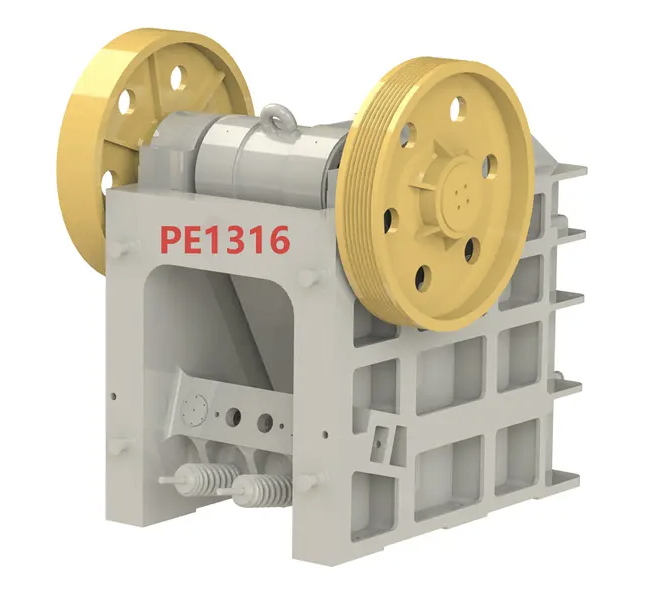
Choosing the right jaw crusher requires more than checking a catalog. We need to look at feed size, production targets, and material behavior. Each factor affects performance, wear, and operating cost. Let’s walk through the key steps.
Feed size is the first thing we examine. If the rock is too large, it will not enter the crushing chamber properly. It may jam the opening or stress the frame.
We measure the largest dimension of the raw material. Usually, it is the widest side of the rock. Sampling several loads gives a realistic average.
Steps to follow:
Collect representative rock samples
Measure the largest width of each piece
Record the maximum size found
Compare it to crusher feed opening
The maximum feed size should generally stay between 70–80% of the jaw crusher’s feed opening width. This range allows smooth entry and efficient crushing.
| Feed Opening Width | Recommended Max Feed Size |
|---|---|
| 800 mm | 560–640 mm |
| 1000 mm | 700–800 mm |
| 1200 mm | 840–960 mm |
If we exceed this ratio, performance drops.
Oversized rock causes several issues:
Blocked feed opening
Increased wear on jaw plates
Higher stress on bearings
Reduced throughput
It may also force operators to stop production for manual removal. That downtime increases cost quickly.
Capacity determines how much material the crusher processes per hour. It directly affects plant output.
Manufacturers rate crushers in tons per hour. This figure depends on:
Feed size
Material hardness
Discharge setting
Operating speed
We should never rely on peak numbers alone. Real working conditions often reduce theoretical capacity.
Start by defining your daily or monthly production target. Divide it by operating hours. The result gives required TPH.
Example:
| Daily Target | Operating Hours | Required TPH |
|---|---|---|
| 2,400 tons | 8 hours | 300 TPH |
| 3,600 tons | 10 hours | 360 TPH |
The crusher capacity should slightly exceed the calculated number. This buffer handles variations in feed conditions.
Production rarely stays constant. Some days demand higher output. We should plan for peak loads, not just average demand. If we choose a crusher operating at maximum limit daily, it wears faster. A unit running at 75–85% capacity performs more efficiently and lasts longer.
Material properties influence crusher selection more than many realize. Hardness, abrasiveness, and moisture all affect performance.
Hardness describes resistance to scratching or crushing. The Mohs hardness scale helps estimate it. It ranges from 1 to 10.
| Mohs Scale | Material Example | Crushing Impact |
|---|---|---|
| 3–4 | Limestone | Low wear |
| 6–7 | Granite | Moderate wear |
| 8+ | Quartz | High wear |
Harder rock increases pressure on jaw plates and bearings. It also raises power consumption. We must select a crusher designed for high compressive strength if dealing with tough material.
Abrasiveness differs from hardness. Some materials are not extremely hard but still grind surfaces aggressively.
Abrasive rock leads to:
Faster jaw plate wear
Shorter liner life
Higher maintenance frequency
High manganese steel components improve resistance. They harden under impact. That feature extends service life in harsh environments. We should always match liner material to rock behavior.
Moisture affects material flow inside the chamber. Wet or sticky feed increases the risk of clogging. Fine particles may stick between jaw plates.
Common problems include:
Bridging inside feed opening
Reduced discharge flow
Material buildup along liners
For high-moisture conditions, we may need:
Wider discharge settings
Improved chamber design
Pre-screening to remove fines
Ignoring moisture leads to unstable performance. It slows production and raises cleaning workload.
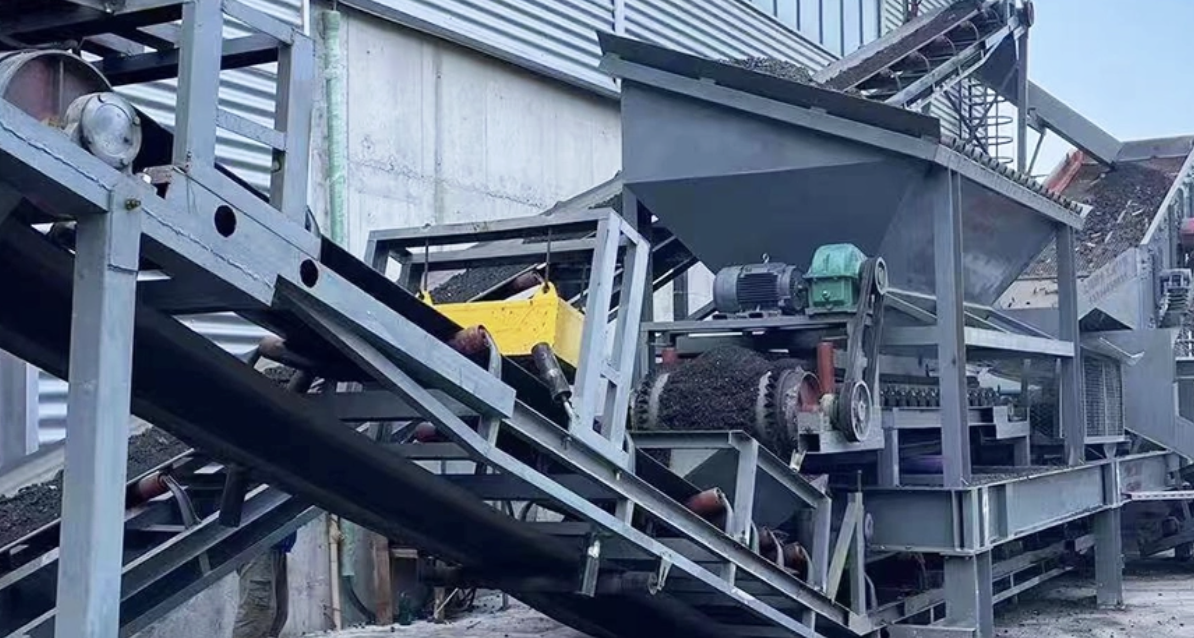
Power drives the entire crushing process. If we ignore it, performance suffers. If we size it correctly, the jaw crusher runs smoothly and efficiently. Motor strength and energy use both influence operating cost more than many expect.
Motor power determines how much crushing force the machine can generate. It affects throughput, stability, and equipment lifespan.
We start by reviewing several factors:
Required tons per hour
Maximum feed size
Material hardness
Desired discharge setting
Manufacturers usually provide recommended motor ranges. We should compare those numbers to our real production conditions, not ideal lab values.
Here is a simplified reference example:
| Crusher Size | Typical Capacity | Recommended Motor Power |
|---|---|---|
| Small (PE400×600) | 15–40 TPH | 30–45 kW |
| Medium (PE600×900) | 50–120 TPH | 55–90 kW |
| Large (PE900×1200) | 150–300 TPH | 110–160 kW |
If production target increases, motor demand rises. Harder material also requires more power. We should always leave a safety margin for peak load conditions.
Both extremes create problems.
Underpowered motor risks:
Reduced crushing efficiency
Frequent overload trips
Excessive heat generation
Premature motor failure
The crusher may stall during heavy feed. Operators may need to reduce input rate.
Oversized motor risks:
Higher upfront investment
Increased electricity consumption
Lower energy utilization efficiency
An oversized motor consumes more energy even during partial load. It raises operating cost unnecessarily. We need balance between force and efficiency.
Energy use directly affects cost per ton. Even small efficiency improvements produce significant savings over years of operation.
The flywheel stores rotational energy. It stabilizes movement of the jaw during crushing. A well-designed flywheel reduces vibration and smooths load fluctuations.
Benefits of optimized flywheel systems:
Lower peak power demand
Improved mechanical stability
Reduced strain on motor
More consistent crushing motion
It helps maintain steady operation even during harder material intake.
Electricity forms a major portion of operating expenses. Efficient crushers reduce energy consumption per ton processed.
Let’s look at an example comparison:
| Crusher Efficiency Level | Energy Consumption (kWh per ton) | Annual Cost Impact* |
|---|---|---|
| Standard efficiency | 1.2 kWh | Higher electricity expense |
| High efficiency design | 0.9 kWh | Noticeable annual savings |
Based on continuous production over one year. A small reduction per ton becomes significant when processing thousands of tons daily. Over time, those savings accumulate steadily.
Energy-efficient jaw crushers lower total production cost through:
Reduced electricity bills
Lower heat generation
Less mechanical stress
Extended component lifespan
When power delivery remains stable, wear decreases. Bearings and shafts experience smoother load cycles. Maintenance intervals become more predictable. We should evaluate not only horsepower rating but also mechanical design. Efficient energy transfer makes a difference every day.
A: It depends on your maximum feed size and required tons per hour. Measure the largest rock dimension first. The feed size should be 70–80% of the crusher’s feed opening. Then match capacity to your daily production target. Choose a model slightly above average demand to handle peak loads efficiently.
A: Start with your production goal in tons per day. Divide it by operating hours to get required TPH. Then consider material hardness and discharge setting, since they affect real output. Always include a safety margin so the crusher runs below maximum load.
A: Jaw crushers typically offer a 3:1 to 6:1 reduction ratio. The ideal value depends on feed size and desired output. For primary crushing, moderate reduction ensures stable performance and less wear on components.
A: For hard and abrasive rock like granite or quartz, a heavy-duty single-toggle or double-toggle jaw crusher works best. Choose models using high manganese steel liners and strong frames to handle high compressive strength.
A: It varies based on material hardness, abrasiveness, and operating conditions. In moderate conditions, they may last several months. Hard or highly abrasive material shortens lifespan significantly. Regular inspection helps extend service life.
Selecting the right jaw crusher is about more than matching specifications on paper. It requires understanding your material, production goals, power requirements, and long-term operating costs. When each factor aligns properly, your crushing line runs smoother, maintenance becomes predictable, and cost per ton stays under control.
At AXSON, we focus on delivering reliable, energy-efficient jaw crusher solutions tailored to real working conditions. If you are planning a new project or upgrading existing equipment, our team is ready to help you find the right configuration for stronger performance and lasting value.


